
Understanding Lead Acid Batteries for Scooters: Essential Insights for Users
Time
2025-12-04
Lead acid batteries are a widely used power source for electric scooters, offering unique advantages and considerations for users. Understanding the characteristics, benefits, and maintenance of lead acid batteries can significantly enhance your scooter's performance and lifespan. One of the primary benefits of lead acid batteries is their affordability. Compared to other battery types, lead acid

Lead acid batteries are a widely used power source for electric scooters, offering unique advantages and considerations for users. Understanding the characteristics, benefits, and maintenance of lead acid batteries can significantly enhance your scooter's performance and lifespan.
One of the primary benefits of lead acid batteries is their affordability. Compared to other battery types, lead acid options tend to be less expensive upfront, making them an attractive choice for budget-conscious consumers. They are also robust and reliable, capable of providing steady power for extended periods. These batteries can handle deep discharges, which means they can be drained significantly before recharging without damaging the cells, making them ideal for daily commuting.
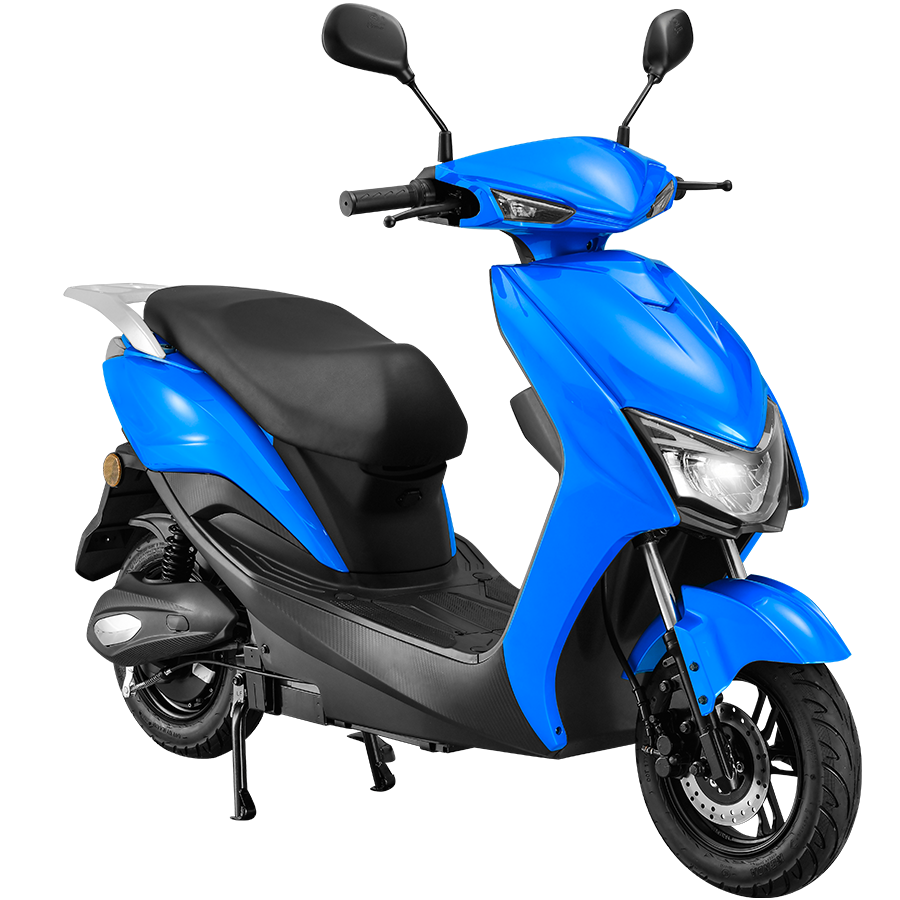
However, lead acid batteries do have drawbacks that users should be aware of. They are generally heavier than their lithium-ion counterparts, which can impact the overall weight and portability of the scooter. Furthermore, lead acid batteries have a shorter cycle life, usually lasting between 200 to 300 charge cycles. This means they will require replacement more frequently than other battery types, such as lithium-ion, which can last up to 1,000 cycles.
Proper maintenance is crucial to maximizing the performance and lifespan of lead acid batteries. Regularly inspecting the battery for any signs of damage or corrosion is essential. Cleaning the terminals and ensuring they are free of dirt and grime can help maintain optimal conductivity. Additionally, it’s important to keep the battery charged. Avoid letting it drain completely, as this can lead to sulfation, a condition where lead sulfate crystals form on the battery plates, hindering performance and reducing lifespan.
Charging practices also play a significant role in battery care. Always use the recommended charger for your specific battery type to avoid overcharging or undercharging, both of which can damage the battery. It’s advisable to charge the battery after each use, especially if you plan to use the scooter frequently. This habit ensures that the battery remains healthy and ready for use.
In conclusion, while lead acid batteries for scooters offer numerous advantages, users should understand their limitations and maintenance requirements to ensure a smooth and efficient riding experience. By following best practices and staying informed, scooter owners can make the most of their lead acid battery systems, ensuring they provide reliable and long-lasting power for their journeys.
Related News
Lvhu Vehicle looks forward to win-win
cooperation with you!
Lvhu Vehicle looks forward to win-win
cooperation with you!
Quick Links
Committed to the R&D, design, manufacturing, marketing and branding of electric scooters, it is a technology-based enterprise with strong development momentum.
Free For Consultation
No.222, Hengmu Road, Hengfeng Street, Wenling City, Taizhou City, Zhejiang Province